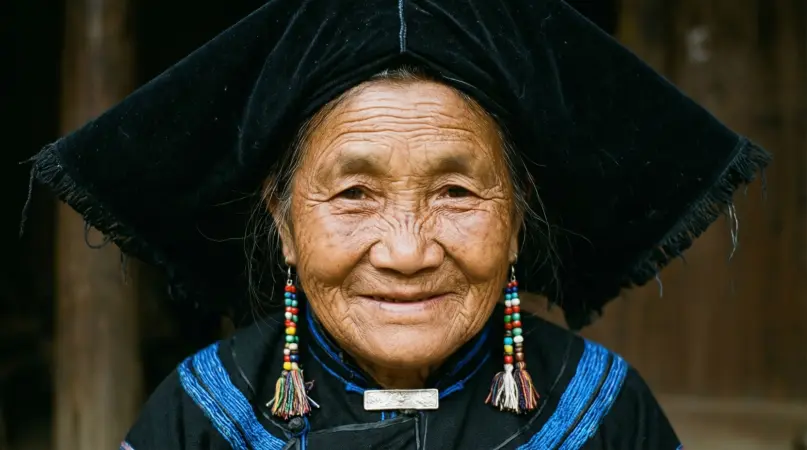
The word “Grandma” is one of the most heartwarming and cherished terms in any language, representing love, care, and family bonds. People around the world use different words to call their grandmothers, reflecting unique cultures, traditions, and languages.
Learning how to say “Grandma” in different languages can be fascinating for travelers, language enthusiasts, or anyone curious about cultural diversity.
From “Nonna” in Italian to “Bubbe” in Yiddish, each term carries its own special feeling and connection. Some languages have multiple words depending on affection, age, or family customs, showing how deeply grandmothers are valued in every society.
How to Say “grandma in different languages”
1. Spanish
Word: Abuela
Pronunciation: ah-BWEH-lah
Uses: Common word for grandma
Example:
My abuela cooks delicious meals.
I called my abuela yesterday.
2. French
Word: Grand‑mère
Pronunciation: grahn‑MEHR
Uses: Formal word for grandma
Example:
My grand‑mère loves flowers.
I visited my grand‑mère today.
3. German
Word: Oma
Pronunciation: OH‑mah
Uses: Friendly word for grandma
Example:
Oma bakes cookies on Sundays.
I hugged my Oma at the park.
4. Italian
Word: Nonna
Pronunciation: NON‑nah
Uses: Common grandma word
Example:
Nonna tells great stories.
I helped Nonna in the garden.
5. Portuguese
Word: Avó
Pronunciation: ah‑VOH
Uses: Standard word for grandma
Example:
My avó loves to dance.
I talked to my avó on the phone.
6. Russian
Word: Бабушка
Pronunciation: BAH‑booshkah
Uses: Everyday word for grandma
Example:
Babushka bakes tasty pies.
I gave Babushka flowers.
7. Chinese (Mandarin)
Word: 奶奶
Pronunciation: nǎinai
Uses: Paternal grandma
Example:
Nǎinai tells fun stories.
We visit nǎinai on holidays.
8. Japanese
Word: おばあさん
Pronunciation: oh‑BAH‑ahn‑sahn
Uses: Respectful word for grandma
Example:
My obāsan knits scarves.
Obāsan fed the cats.
9. Korean
Word: 할머니
Pronunciation: hal‑muh‑nee
Uses: Standard term for grandma
Example:
Halmeoni makes kimchi.
I called halmeoni today.
10. Arabic
Word: جدة
Pronunciation: JAD‑dah
Uses: Common Arabic grandma word
Example:
Jaddah prays every morning.
I saw Jaddah at home.
11. Hindi
Word: दादी / नानी
Pronunciation: DAH‑dee / NAH‑nee
Uses: Paternal / maternal grandma
Example:
Dadi tells our family history.
I visited Nani yesterday.
12. Bengali
Word: দাদি
Pronunciation: DAH‑dee
Uses: Grandma word
Example:
Dadi makes sweets.
I hugged Dadi today.
13. Urdu
Word: دادی / نانی
Pronunciation: DAH‑dee / NAH‑nee
Uses: Paternal / maternal grandma
Example:
Dadi told us stories.
I saw Nani on Sunday.
14. Turkish
Word: Büyükanne
Pronunciation: boo‑YOO‑kahn‑neh
Uses: Word for grandma
Example:
Büyükanne loves tea.
I walked with Büyükanne.
15. Greek
Word: Γιαγιά
Pronunciation: yah‑YAH
Uses: Grandma word
Example:
Yiayia sings songs.
I helped Yiayia cook.
16. Dutch
Word: Grootmoeder
Pronunciation: GROHT‑moh‑der
Uses: Formal grandma word
Example:
Grootmoeder reads books.
I called my grootmoeder.
17. Swedish
Word: Mormor / Farmor
Pronunciation: MOR‑mor / FAR‑mor
Uses: Maternal / paternal grandma
Example:
Mormor loves knitting.
Farmor bakes bread.
18. Danish
Word: Bedstemor
Pronunciation: BED‑stuh‑mohr
Uses: Word for grandma
Example:
Bedstemor makes pancakes.
I visited bedstemor today.
19. Norwegian
Word: Bestemor
Pronunciation: BES‑te‑mohr
Uses: Grandma word
Example:
Bestemor loves coffee.
I hugged bestemor.
20. Finnish
Word: Isoäiti
Pronunciation: EE‑soh‑ay‑tee
Uses: Formal grandma word
Example:
Isoäiti gardens daily.
I called isoäiti.
21. Polish
Word: Babcia
Pronunciation: BAHB‑cha
Uses: Common grandma word
Example:
Babcia bakes bread.
I visited Babcia.
22. Czech
Word: Babička
Pronunciation: bah‑BEECH‑ka
Uses: Grandma word
Example:
Babička cooks soup.
I helped Babička.
23. Slovak
Word: Starý mama
Pronunciation: stah‑REE MAH‑mah
Uses: Grandma word
Example:
Starý mama smiles lots.
I saw starý mama today.
24. Hungarian
Word: Nagymama
Pronunciation: NAH‑dyee‑muh‑mah
Uses: Word for grandma
Example:
Nagymama loves music.
I visited Nagymama.
25. Romanian
Word: Bunica
Pronunciation: boo‑NEE‑kah
Uses: Grandma word
Example:
Bunica bakes cakes.
I hugged bunica.
26. Bulgarian
Word: Баба
Pronunciation: BAH‑bah
Uses: Grandma word
Example:
Baba knits scarves.
I saw Baba today.
27. Serbian
Word: Баба
Pronunciation: BAH‑bah
Uses: Grandma word
Example:
Baba cooks soup.
I visited Baba.
28. Croatian
Word: Baka
Pronunciation: BAH‑kah
Uses: Grandma word
Example:
Baka tells stories.
I helped Baka.
29. Bosnian
Word: Baka
Pronunciation: BAH‑kah
Uses: Grandma word
Example:
Baka makes tea.
I hugged Baka.
30. Slovenian
Word: Babica
Pronunciation: BAH‑bee‑tsah
Uses: Grandma word
Example:
Babica gardens daily.
I visited Babica.
31. Lithuanian
Word: Močiutė
Pronunciation: moh‑CHYOO‑teh
Uses: Grandma word
Example:
Močiutė bakes bread.
I saw močiutė today.
32. Latvian
Word: Vecmāmiņa
Pronunciation: VETS‑mah‑mee‑nyah
Uses: Grandma word
Example:
Vecmāmiņa sews clothes.
I called vecmāmiņa.
33. Estonian
Word: Vanaema
Pronunciation: VAH‑nah‑eh‑mah
Uses: Grandma word
Example:
Vanaema loves birds.
I helped vanaema.
34. Hebrew
Word: סבתא
Pronunciation: sa‑BAH‑tah
Uses: Grandma word
Example:
Savta cooks dinner.
I hugged Savta.
35. Thai
Word: ยาย
Pronunciation: yai
Uses: Grandma word
Example:
Yai tells stories.
I visited yai.
36. Vietnamese
Word: Bà
Pronunciation: bah
Uses: Grandma word
Example:
Bà cooks rice.
I called bà today.
37. Indonesian
Word: Nenek
Pronunciation: NAY‑nek
Uses: Grandma word
Example:
Nenek bakes cakes.
I saw nenek.
38. Malay
Word: Nenek
Pronunciation: NAY‑nek
Uses: Grandma word
Example:
Nenek tells stories.
I hugged nenek.
39. Filipino (Tagalog)
Word: Lola
Pronunciation: LOH‑lah
Uses: Grandma word
Example:
Lola makes adobo.
I visited Lola.
40. Swahili
Word: Bibi
Pronunciation: BEE‑bee
Uses: Grandma word
Example:
Bibi cooks rice.
I saw Bibi.
41. Zulu
Word: Ugogo
Pronunciation: oo‑GOH‑goh
Uses: Grandma word
Example:
Ugogo loves children.
I visited Ugogo.
42. Afrikaans
Word: Ouma
Pronunciation: OH‑mah
Uses: Grandma word
Example:
Ouma bakes cookies.
I hugged Ouma.
43. Persian (Farsi)
Word: مادربزرگ
Pronunciation: mah‑dahr‑boh‑ZERG
Uses: Grandma word
Example:
Mādarbozorg smiles always.
I saw mādarbozorg.
44. Kurdish
Word: Dayikê mezin
Pronunciation: dai‑KEH meh‑ZEEN
Uses: Grandma word
Example:
Dayikê mezin cooks tea.
I hugged dayikê mezin.
45. Tamil
Word: பாட்டி
Pronunciation: PAH‑tee
Uses: Grandma word
Example:
Paatti makes dosa.
I visited paatti.
46. Telugu
Word: అమ్మమ్మ
Pronunciation: ahm‑MAHM‑mah
Uses: Grandma word
Example:
Ammamma bakes sweets.
I hugged ammamma.
47. Kannada
Word: ಅಜ್ಜಿ
Pronunciation: AHJ‑jee
Uses: Grandma word
Example:
Ajji cooks lunch.
I saw ajji.
48. Marathi
Word: आजी
Pronunciation: AH‑jee
Uses: Grandma word
Example:
Aaji makes tea.
I visited aaji.
49. Gujarati
Word: દાદી
Pronunciation: DAH‑dee
Uses: Grandma word
Example:
Dadi bakes sweets.
I saw dadi.
50. Punjabi
Word: ਦਾਦੀ / ਨਾਨੀ
Pronunciation: DAH‑dee / NAH‑nee
Uses: Paternal / maternal grandma
Example:
Dadi cooks roti.
Nani sings songs.
51. Sinhala
Word: මවියා
Pronunciation: ma‑VEE‑ya
Uses: Grandma word
Example:
Maviya cooks rice.
I visited maviya.
52. Nepali
Word: हजुरआमा
Pronunciation: ha‑JOOR‑ah‑mah
Uses: Grandma word
Example:
Hajurāma tells tales.
I hugged hajurāma.
53. Burmese
Word: အဘွား
Pronunciation: ah‑BWAA
Uses: Grandma word
Example:
Ahbwa cooks curry.
I saw ahbwa.
54. Khmer
Word: គាត់ជាវីឡា
Pronunciation: koo‑AT cheh VEE‑lah
Uses: Grandma word
Example:
Koat che vila gardens.
I visited koat che vila.
55. Lao
Word: ຍາ
Pronunciation: yah
Uses: Grandma word
Example:
Yā cooks sticky rice.
I hugged yā.
56. Mongolian
Word: Өвөө ээжийн ээж
Pronunciation: uh‑VOH eh‑JEEN eh‑JEH
Uses: Grandma word
Example:
Uvuu eejin eej bakes.
I saw her yesterday.
57. Azerbaijani
Word: Nənə
Pronunciation: NAY‑nay
Uses: Grandma word
Example:
Nənə bakes bread.
I visited nənə.
58. Uzbek
Word: Buvi
Pronunciation: BOO‑vee
Uses: Grandma word
Example:
Buvi cooks plov.
I hugged buvi.
59. Kazakh
Word: Әжем
Pronunciation: AH‑zhem
Uses: Grandma word
Example:
Äjem smiles kindly.
I saw äjem.
60. Haitian Creole
Word: Granmè
Pronunciation: grahn‑MEH
Uses: Grandma word
Example:
Granmè cooks stew.
I hugged granmè.
61. Irish
Word: Seanmháthair
Pronunciation: SHAN‑wah‑haw
Uses: Grandma word
Example:
Seanmháthair bakes bread.
I visited seanmháthair.
62. Scottish Gaelic
Word: Seanmhair
Pronunciation: SHAN‑vair
Uses: Grandma word
Example:
Seanmhair knits socks.
I saw seanmhair.
63. Welsh
Word: Nain
Pronunciation: NINE
Uses: Grandma word
Example:
Nain bakes cakes.
I visited Nain.
64. Basque
Word: Amona
Pronunciation: ah‑MOH‑nah
Uses: Grandma word
Example:
Amona cooks rice.
I hugged Amona.
65. Catalan
Word: Àvia
Pronunciation: AH‑vee‑ah
Uses: Grandma word
Example:
Àvia gardens daily.
I saw Àvia.
66. Galician
Word: Nai
Pronunciation: NIGH
Uses: Grandma word
Example:
Nai cooks fish.
I visited Nai.
67. Ukrainian
Word: Бабуся
Pronunciation: bah‑BOO‑syah
Uses: Grandma word
Example:
Babusya bakes bread.
I hugged babusya.
68. Belarusian
Word: Бабуля
Pronunciation: bah‑BOO‑lyah
Uses: Grandma word
Example:
Babulya tells stories.
I visited babulya.
69. Maltese
Word: Nanna
Pronunciation: NAH‑nah
Uses: Grandma word
Example:
Nanna cooks pasta.
I saw Nanna.
70. Icelandic
Word: Amma
Pronunciation: AH‑mah
Uses: Grandma word
Example:
Amma bakes bread.
I hugged Amma.
71. Albanian
Word: Gjyshja
Pronunciation: JOO‑shyah
Uses: Grandma word
Example:
Gjyshja gardens.
I visited gjyshja.
72. Macedonian
Word: Баба
Pronunciation: BAH‑bah
Uses: Grandma word
Example:
Baba cooks soup.
I saw Baba.
73. Amharic
Word: እህትናይ
Pronunciation: eh‑HT nah‑YE
Uses: Grandma word
Example:
Eḥtnạy cooks injera.
I hugged eḥtnạy.
74. Somali
Word: Awoowe
Pronunciation: ah‑WOO‑weh
Uses: Grandma word
Example:
Awoowe tells stories.
I visited awoowe.
75. Yoruba
Word: Iya agba
Pronunciation: EE‑yah AHG‑bah
Uses: Grandma word
Example:
Iya agba cooks jollof.
I hugged iya agba.
Conclusion
Now you know how to say grandma in 75 different languages. These simple words help you connect with grandparents and learn about cultures around the world. Learning these names can bring families closer across languages.